Thinking about buying a cabin in Ridgedale to help pay for itself? You are not alone. This part of the Table Rock Lake corridor draws vacation demand, but buying for short-term rental income here takes more than finding a pretty cabin with lake access. If you want to make a smart purchase, you need to understand demand, county rules, private restrictions, and how income really gets calculated. Let’s dive in.
Why Ridgedale Gets Investor Attention
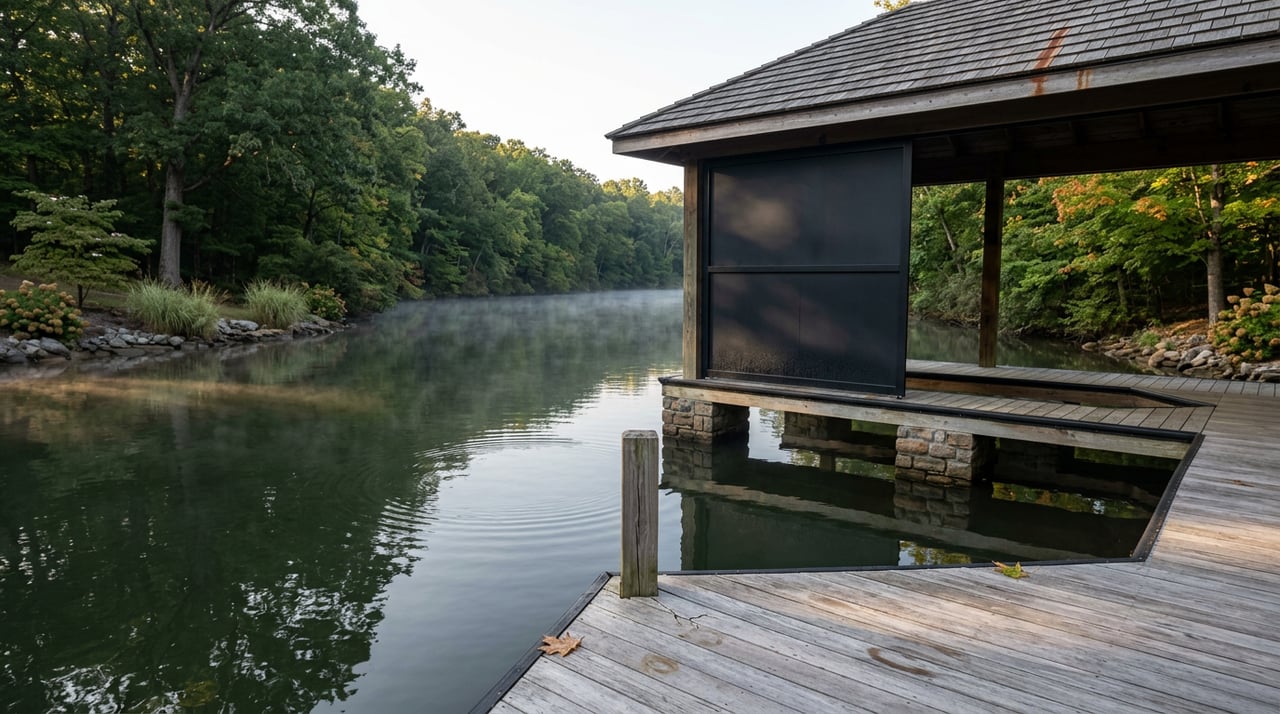
Ridgedale sits in the Big Cedar and Table Rock Lake corridor just south of Branson, which gives it strong appeal for vacation travelers looking for recreation, resort-style amenities, and cabin stays. The area is known for lake views, boating, fishing, camping, dining, golf, and other visitor experiences that support steady lodging demand.
This is also a lodging-heavy market. According to area tourism sources, travelers can choose from cabins, luxury vacation rentals, condos, and resorts, and summer dates tend to book early. That does not guarantee income on any one property, but it does help explain why many buyers look at Ridgedale cabins as both a lifestyle purchase and an investment.
What Types of Cabins Tend to Fit the Market
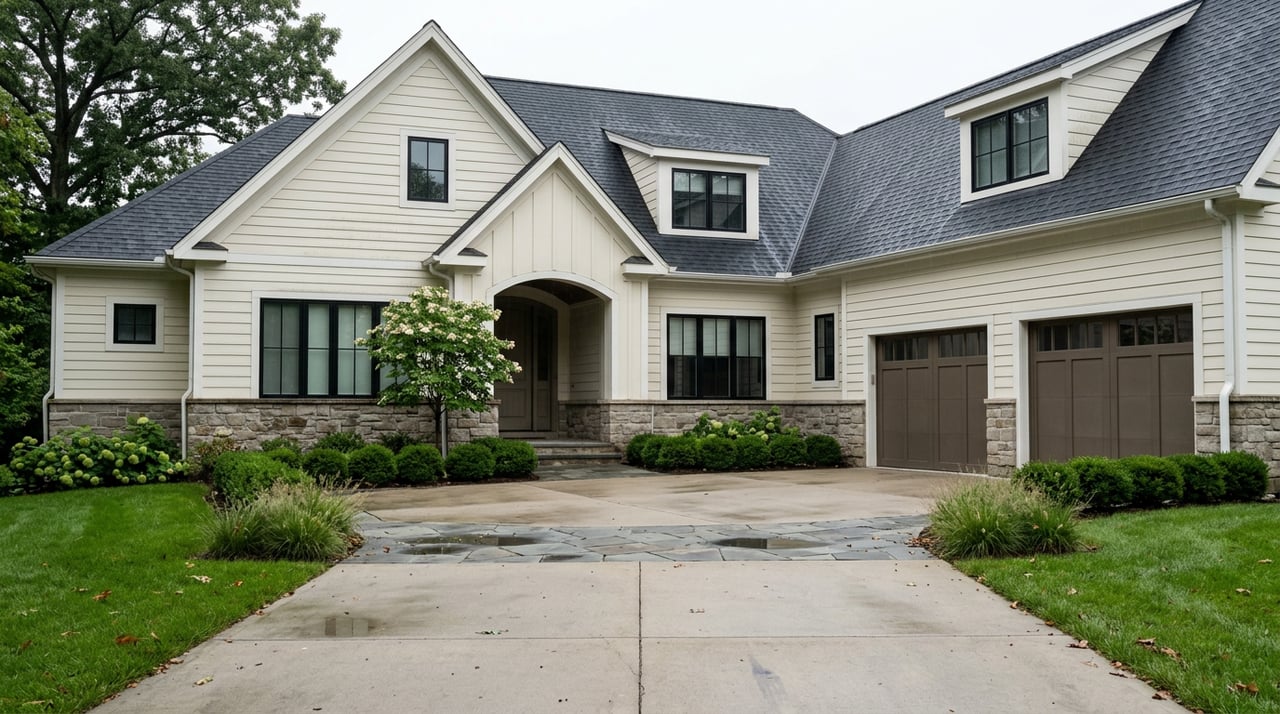
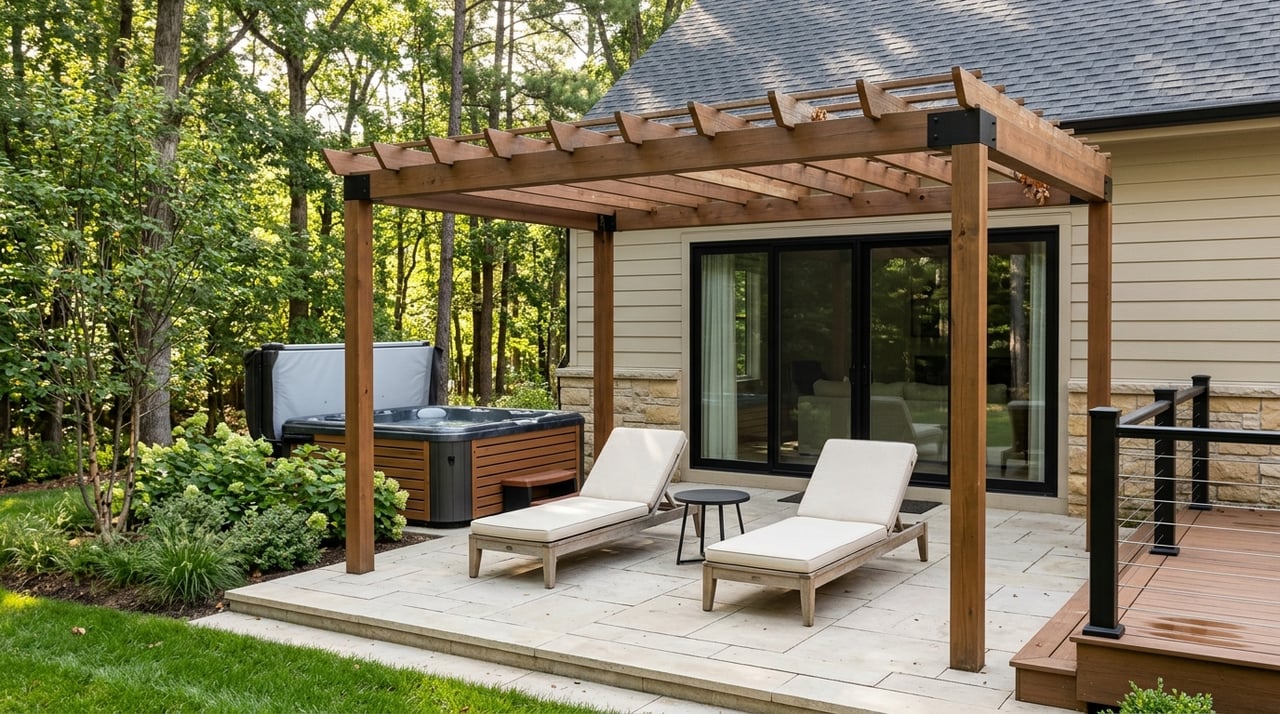
In the Ridgedale corridor, buyers often gravitate toward cabins that match what guests already expect in the area. That usually means a rustic or lodge-inspired look, useful outdoor living space, and flexible sleeping arrangements that can serve different group sizes.
Easy access to lake or resort amenities can also support marketability. In a destination where visitors come for recreation and the overall experience, layout and setting matter just as much as square footage. A cabin that feels aligned with the local vacation style may be easier to position than one that feels out of step with what guests are booking nearby.
Start With Taney County Rules
Before you get attached to projected rental income, look closely at Taney County’s nightly rental rules. In Taney County, a nightly rental is a residential building or part of a building rented for less than 30 calendar days.
The biggest point for buyers is simple: all nightly rentals require a Special-Use Permit. Just as important, that permit is issued to a specific owner and expires immediately when ownership changes. If you buy a cabin that is currently operating as a nightly rental, you should not assume that use transfers to you after closing.
That detail can change how you underwrite the deal. A property with active bookings or past rental history may still require you to go through a new permit process. For an investor, that means purchase decisions should be based on what is legally supportable after closing, not just on how the current owner used the property.
Occupancy Is Not Just About Bedrooms
One of the most common mistakes buyers make is assuming a cabin’s income potential is based only on bedroom count. In Taney County, occupancy is more limited than that.
The county sets occupancy at two people per dwelling unit plus two people per bedroom. But that number can be reduced by wastewater capacity, off-street parking, and local fire-district limits. There is also a hard cap of 20 occupants per dwelling unit.
That matters because guest count affects pricing, marketing, and annual revenue. For example, a two-bedroom cabin tops out at six people before other limits are applied. If parking or wastewater capacity is lower than expected, your usable occupancy may be even tighter.
Property Setup Can Affect Approval
A Ridgedale cabin may look turnkey, but county compliance depends on more than appearance. Taney County requires one off-street parking space for every two occupants, weekly solid-waste collection while the rental is available, basic fire-safety equipment, and a local 24-hour representative who has a residence or permanent place of business in Taney County or an adjoining county.
Some properties face additional review. For larger cabins, the county requires an annual fire-district inspection unless it is waived. If the nightly rental will involve five or more guest rooms, the county also requires a health-department compliance letter.
This is why a strong cabin investment review should include physical details that buyers sometimes overlook. Parking layout, septic or wastewater limits, guest-room count, and on-call local support all play into whether the property works as planned.
County Approval Is Only Part of the Story
Even if a cabin appears to fit county rules, you still need to check private restrictions. In Ridgedale, deed restrictions, subdivision covenants, resort rules, or property owners association rules may limit or prohibit short-term rental use.
Taney County’s Recorder of Deeds office maintains plats and deed restrictions, which makes this a key due-diligence step. From a buyer’s standpoint, the question is not only whether the county may permit the use. It is also whether the recorded documents and community rules allow it.
That is especially important in resort-adjacent and planned communities, where private rules can shape how a property may be used. A beautiful cabin in the right location can still be the wrong investment if the recorded restrictions do not support your goals.
Budget for Licenses and Compliance
If you plan to operate a nightly rental, your startup costs go beyond the purchase price and furnishings. Taney County ties the nightly rental process to business licensing.
The county requires a valid merchant’s license and a Missouri Department of Revenue sales-tax license before issuing a Certificate of Compliance. The county collector says merchant’s licenses cost $25 per year and run on a calendar-year basis. The health department also permits lodging establishments and requires applications at least 10 business days before opening.
These are not huge line items compared with the purchase itself, but they belong in your planning. A clean underwriting model should include setup costs, ongoing compliance, and the time needed to get everything in place before welcoming guests.
Understand How Missouri Taxes Affect Net Income
Gross rent is not the same as net income, and Missouri tax treatment directly affects your numbers. The Missouri Department of Revenue says charges for nightly room rentals for homes, condominiums, cabins, and similar establishments available to the general public are taxable.
The same guidance says cleaning fees and service fees are also taxable. Stays of 31 days or more are exempt from that nightly-rental treatment, which is another reason you should be clear about your rental strategy from the start.
Many startup and operating purchases may also be taxable. State guidance identifies items such as furniture and fixtures, office supplies, security cameras, janitorial supplies, utilities, and specialty advertising as taxable in many cases. If you are renovating or furnishing a cabin, those costs can add up quickly.
Verify the Exact Tax Rate for the Property
Missouri’s state sales and use tax rate is 4.225%, but local taxes may also apply depending on the address. Cities, counties, and certain special districts can add local taxes, so the combined rate should be verified for the specific parcel.
That means you should not estimate taxes based on a nearby ZIP code or another community in the Branson area. A small rate difference can affect your projected cash flow over time. When you run income scenarios, keep gross rent and tax collection separate so your numbers stay realistic.
A Smart Ridgedale Cabin Buying Checklist
If you are serious about buying a Ridgedale cabin for vacation rental income, keep your due diligence focused on the items that most affect risk and returns.
- Confirm the parcel’s current nightly-rental permit status
- Do not assume an existing permit will survive closing
- Review recorded deed restrictions, subdivision covenants, and resort or POA rules
- Verify wastewater capacity, parking count, and any fire-district requirements
- Confirm whether the property will require a health-department compliance letter
- Make a plan for a local 24-hour representative
- Budget for merchant licensing, sales-tax registration, and recurring filings
- Verify the exact sales and use tax rate for the property address
- Underwrite occupancy based on county limits, not just bedroom count
What This Means for You as a Buyer
Buying a cabin in Ridgedale can be a smart move if you approach it with clear eyes. The area has real vacation appeal, and cabins fit naturally into the local lodging mix. But strong demand does not replace careful due diligence.
The best opportunities are often the properties where location, layout, compliance path, and private restrictions all line up. When you evaluate a cabin through both a lifestyle lens and an investor lens, you put yourself in a much stronger position to buy with confidence.
At The Home Team, we help buyers look beyond the listing photos and ask the practical questions that matter in the Table Rock Lake corridor. If you are exploring Ridgedale cabins for personal use, income potential, or both, Battaglia Group can help you evaluate the opportunity with local insight and investor-minded guidance.
FAQs
What is considered a nightly rental in Taney County?
- A nightly rental in Taney County is a residential building or portion of a building rented for less than 30 calendar days.
Does a Ridgedale cabin nightly-rental permit transfer to a new owner?
- No. Taney County says the Special-Use Permit is issued to a specific owner and expires immediately when ownership changes.
How is occupancy calculated for a Taney County nightly rental cabin?
- Occupancy is set at two people per dwelling unit plus two people per bedroom, then further limited by wastewater capacity, parking, fire-district limits, and a maximum of 20 occupants per dwelling unit.
Do Ridgedale cabin buyers need to check HOA or deed restrictions for short-term rentals?
- Yes. Buyers should review recorded deed restrictions, subdivision covenants, and any resort or POA rules before assuming short-term rental use is allowed.
Are cleaning fees taxable for Missouri vacation rentals?
- Yes. Missouri guidance says cleaning fees and service fees tied to taxable nightly rentals are taxable.
What licenses may be needed to operate a Ridgedale vacation rental?
- Buyers may need a Taney County merchant’s license, a Missouri Department of Revenue sales-tax license, and any required county or health-department approvals before opening.