Shopping for a Kimberling City home and want your boat close by on Table Rock Lake? The slip or dock you choose shapes your daily routine, your search strategy, and your budget. In a few minutes, you can learn how private docks, community docks, marina slips, and public facilities differ, what to verify before you write an offer, and how each option fits common buyer goals. Let’s dive in.
Dock and slip types in Kimberling City
Private docks on waterfront parcels
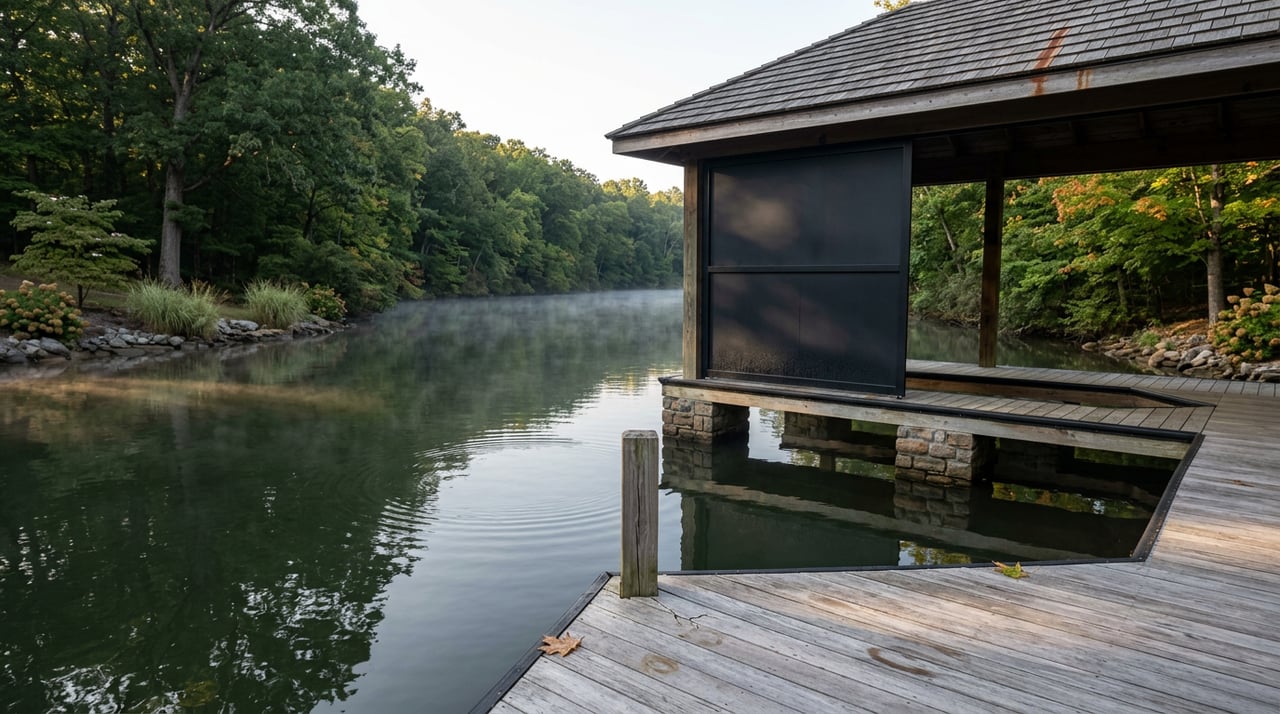
Private docks sit at or near a waterfront lot and are controlled by the property owner. They can include lifts and offer the most convenient access. You take on permitting, maintenance, and insurance, and you must comply with U.S. Army Corps of Engineers rules and any local codes. In your search, look for “waterfront with private dock,” and confirm deeded rights and existing permits in writing.
Community or HOA docks
Community docks are owned or managed by a subdivision or HOA. You may have an assigned slip, shared use, or a waitlist. Costs and maintenance are shared, and rules govern use, guest access, and boat sizes. When a listing mentions a “community dock” or “subdivision dock,” review the HOA covenants, slip assignment process, fees, and any waitlist details.
Leased slips at marinas
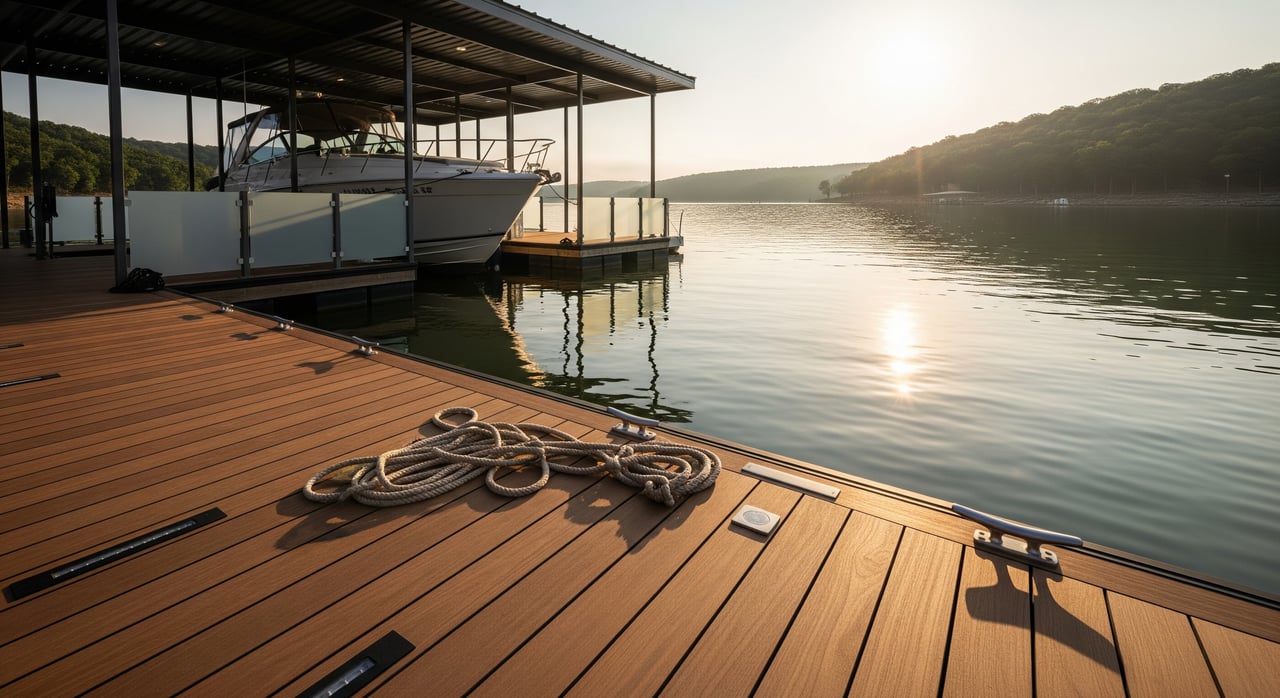
Commercial marinas rent slips by month, season, or year and often provide fuel, pump-out, electricity, service, and security. This is flexible if you do not want to own or maintain a dock. Expect ongoing slip fees and possible limits on transfer if you sell your home later. If a listing notes a “marina slip available,” get the current lease, fee schedule, and transfer policy in writing from the marina.
Public docks, ramps, and day-use areas
Public facilities managed by federal or local authorities support short-term docking and launching. They are great for occasional boating or if you plan to trailer your boat. Overnight moorage can be limited. Proximity to a public ramp can be a solid alternative if a private or community slip is not included.
Rules, permits, and ownership basics
- USACE oversight: Table Rock Lake shorelines and docks fall under U.S. Army Corps of Engineers policies. Private docks and marinas require compliance with permitting and shoreline management rules. Request copies of any USACE permits or authorizations tied to a property.
- Riparian rights and easements: Waterfront ownership does not guarantee dock rights. Confirm whether a dock is deeded to the parcel, or allowed by a revocable permit or lease, and check for recorded easements or setbacks.
- HOA governance: For community docks, review covenants and bylaws. Focus on slip allocation, guest policies, boat size limits, maintenance plans, reserve history, and insurance.
- Marina leases: Marina contracts vary by term and transfer rights. Ask for the lease, waitlist rules, fee escalation language, and whether a current slip can transfer to a buyer.
- Insurance and liability: Private docks and lifts may need endorsements on your homeowners policy or separate coverage. Marinas often require proof of boat insurance and may ask to be named on your policy.
- Environmental limits: Expect rules on dock materials, length, and vegetation. Water depth and fluctuating lake levels can affect the suitability for larger boats.
How access impacts price and search
- Convenience vs cost: Private docks offer maximum convenience but higher responsibility. Community docks balance access with shared costs. Marina slips are flexible but add recurring fees.
- Boat size and draft: Slip dimensions and water depth matter. Larger boats reduce your options and can steer your neighborhood choices.
- Year-round use: Some docks or services may scale back seasonally. If you want winter access, verify it before you buy.
- Guests and entertaining: Ask about guest slips, parking, lighting, and access for visitors.
- Price dynamics: Properties with deeded private docks or reserved slips often command a premium, which varies with local demand and slip quality. Ongoing HOA or marina fees affect affordability. Transfer uncertainty on leased slips can influence negotiations and resale.
Buyer matches for Kimberling City
- Standalone waterfront with private dock: Best if you want exclusive access and direct control. Expect higher upfront costs and personal maintenance responsibility.
- Planned subdivisions with community docks: Good if you want consistent access with shared expenses. Focus on HOA management quality and waitlist practices.
- Homes near full-service marinas: Ideal if you want fuel, service, and storage nearby or you plan to trailer your boat and lease a slip as needed.
- Inland properties with off-site slip entitlement: A smart middle ground when you want a lower home price but dependable lake access via an assigned or leasable slip off site.
What to verify before you offer
- Recorded deed language for riparian rights or dock easements.
- USACE permit or authorization for any existing private dock.
- HOA covenants, bylaws, financials, insurance, maintenance plan, and slip allocation rules for community docks.
- Current marina lease, fee schedule, waitlist status, and written confirmation of transferability for leased slips.
- Dock repair invoices, inspection records, and any storm damage or claims history.
- Insurance requirements for docks, lifts, and boat coverage.
Inspection and suitability checklist
- Structural health: pilings, decking, fasteners, corrosion, floats, and anchoring.
- Electrical: shore power, wiring condition, and safety devices.
- Lifts and hardware: capacity, operation, and maintenance records.
- Water depth and hazards: seasonal levels, shoaling, and nearby navigation risks.
- Access and safety: parking, pathway, lighting, signage, and code compliance.
Search tips and keywords
Use targeted keywords in your search and in conversations with your agent:
- Keywords: “private dock,” “deeded dock,” “community dock,” “assigned slip,” “marina slip,” “boat lift,” “waterfront with dock,” “slip included.”
- Filters: Waterfront, water frontage, lot type, HOA fees, and remarks for slip details. Consider proximity to full-service marinas and public ramps.
Negotiation and contingencies
- Include a contingency to obtain and review all dock permits, HOA documents, and marina transfer agreements.
- Define who pays for slip transfer or assignment fees at closing.
- Request seller repairs or credits if the dock or lift fails inspection.
- If a slip is essential, make written confirmation of slip availability or transfer a condition of closing.
No-slip alternatives and transition plans
- Trailer and launch at public ramps while you secure a long-term slip.
- Rent a seasonal marina slip first, then pursue a permanent assignment or purchase.
- Prioritize listings with deeded slips or confirmed marina transfers to reduce uncertainty.
Local verification steps
- Contact the U.S. Army Corps of Engineers Table Rock Lake project office for shoreline structure policies and permits.
- Check Kimberling City and Stone County records for deeds, easements, zoning, and parcel lines.
- Review Missouri State Highway Patrol boating regulations and safety requirements.
- Speak with local marinas for written policies, fee schedules, and waitlist rules.
- Request HOA documents and board contacts for community dock governance and financials.
- Consult a title company or real estate attorney to confirm deeded dock rights.
Ready to tailor your plan?
The right dock or slip changes everything about your Kimberling City lake life, from morning launches to long-term value. If you want help aligning your boat size, budget, and neighborhood preferences with the right access type, we are here to guide you from first tour to closing. Start a conversation with The Home Team to compare options and build a confident, step-by-step plan.
FAQs
How do Kimberling City dock permits work on Table Rock Lake?
- Dock structures and shoreline uses may require authorization from the U.S. Army Corps of Engineers; always request copies of current permits before you buy.
What does “deeded dock” mean in Kimberling City listings?
- A deeded dock is recorded as part of the property or tied by easement; verify the deed language and any permits to confirm it is not a revocable or conditional right.
How do HOA community docks assign slips to owners?
- Slip allocation varies by HOA and can involve assignments, rotations, or waitlists; review covenants, bylaws, and fee schedules to understand your rights and costs.
Can a marina slip transfer to me when I buy a home?
- Marina leases are governed by the marina’s contract; request the lease and written confirmation of any transfer rights, waitlist priority, and fees.
How does boat size affect slip selection on Table Rock Lake?
- Your boat’s length, beam, and draft must fit slip dimensions and local water depth; larger vessels reduce the number of compatible docks and neighborhoods.
What should I budget beyond the home price for boat access?
- Plan for HOA assessments or marina fees, maintenance and insurance for docks and lifts, and potential repair or upgrade costs found during inspection.