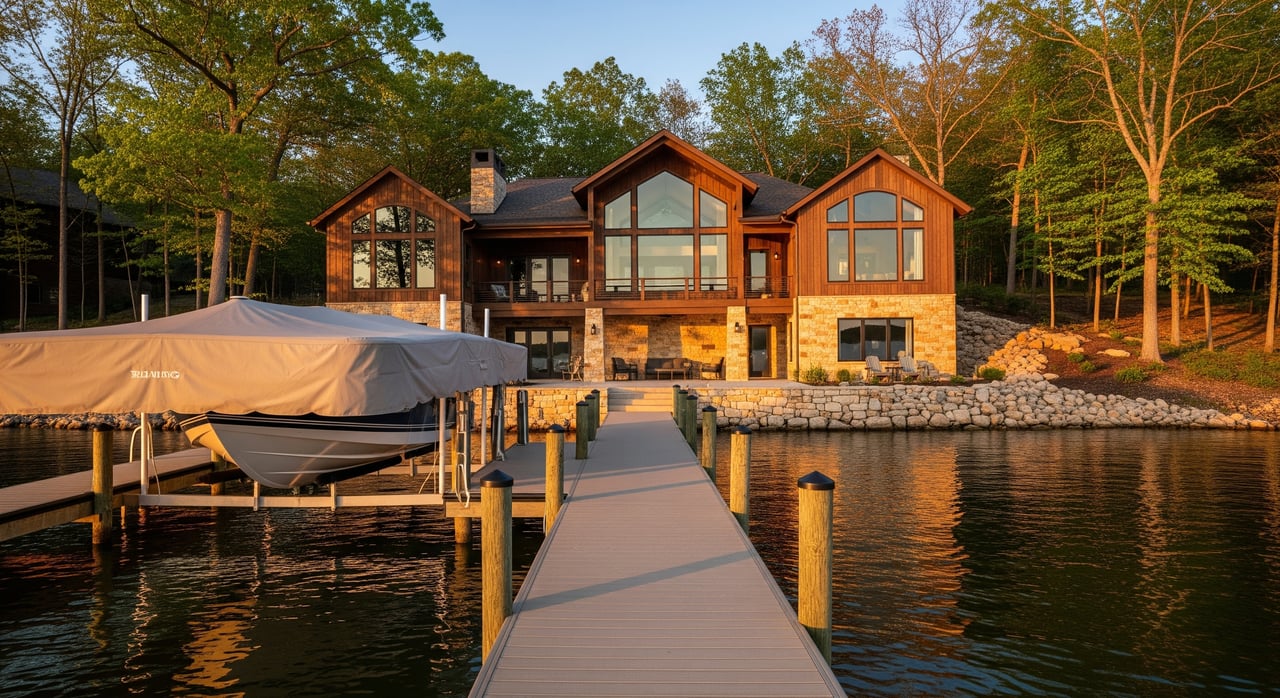
Owning a lake home in Reeds Spring is a dream, but Table Rock Lake’s changing seasons can be tough on docks, shorelines, and systems. You want to protect your investment, keep guests safe, and avoid surprise repairs. This guide gives you a clear, season-by-season plan tailored to the Ozarks climate, plus local permitting pointers and budget tips. Let’s dive in.
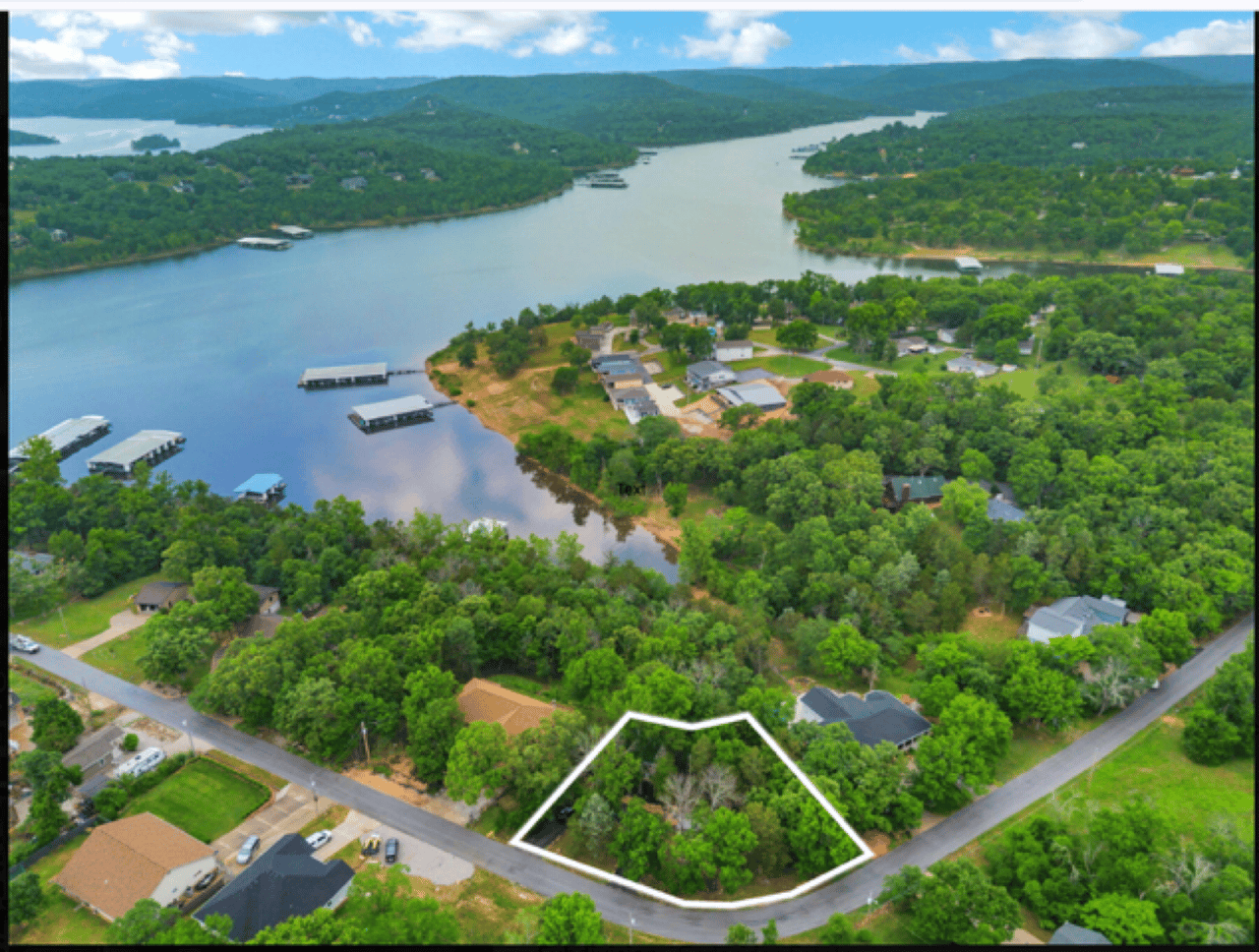
Know your Reeds Spring setting
Reeds Spring sits in the Ozarks near Table Rock Lake, where summers are warm and humid and winters can bring freeze-thaw cycles. To plan start and end dates for winterization or spring startup, refer to the NOAA climate normals for the Springfield-Branson area.
Shoreline and reservoir operations at Table Rock Lake are overseen by the U.S. Army Corps of Engineers. Regulations for docks, lifts, and shoreline modifications can vary by parcel and cove. Before you plan work, review the U.S. Army Corps of Engineers Table Rock Lake resources and confirm what applies to your lot.
If your property is near flood-prone areas, check your exact risk and insurance needs on the FEMA Flood Map Service Center. For water quality, invasive species, and shoreline plantings, look to the Missouri Department of Natural Resources and the Missouri Department of Conservation for guidance. You can start with MoDNR and MDC’s Stop Aquatic Invaders information.
Spring startup checklist
Dock and lift
- Inspect deck boards, pilings, pipes, and hardware for rot, corrosion, or looseness. Tighten or replace fasteners.
- Check anchors, tie-offs, and winches. Look for movement or scour at pilings.
- Have a licensed electrician inspect shore power, pedestals, and GFCI protection before use. Review marina electrical safety tips from ESFI.
- Replace sacrificial anodes on metal parts if needed.
Shoreline and landscaping
- Walk the bank for winter erosion, undercutting, and fallen trees. Remove debris that blocks drainage.
- Re-seed or replant bare areas with native species to stabilize soil.
- Plan soft stabilization first, such as native buffers and coir logs. Hard solutions like riprap can require permits.
Water and septic
- Turn on exterior supply lines carefully and check for leaks. Flush and sanitize if the system sat dormant.
- If you use a private well, schedule annual bacteria testing.
- Book a septic inspection if you are due. The EPA recommends regular septic care, with inspections about every 3 years and pumping typically every 3 to 5 years depending on use.
Building and HVAC
- Inspect roof, flashing, and siding. Clean gutters and extend downspouts away from the foundation.
- Check basements or crawlspaces for moisture and cracks.
- Service your air conditioning before peak heat. Clean or replace filters and clear condensate lines.
Safety and environment
- Review flood risk and insurance with your agent using FEMA maps if near the shoreline.
- Watch for early signs of algae on the water. Follow state advisories if harmful algal blooms are reported.
- Set up a Clean-Drain-Dry routine for boats and gear to prevent invasive species.
Summer care and checks
Dock and lift
- Tighten any loose fasteners after storms and heavy use.
- Rinse sediment to reduce slipping hazards and surface wear.
- Check lift straps, cables, and motor oil levels. Address wear right away.
Shoreline and landscaping
- Maintain a buffer of native vegetation along the water to filter runoff. Avoid mowing to the water’s edge.
- Monitor for aquatic weeds or floating mats near docks. Use targeted removal and follow labels if you apply approved herbicides.
Water and septic
- Spread out laundry and high-water-use activities during busy weekends to reduce septic strain.
- Keep grease and non-biodegradable items out of drains. Post a simple “what not to flush” note for guests.
Building and HVAC
- Manage humidity in basements and crawlspaces with a dehumidifier.
- Keep plants trimmed away from siding and vents. Check screens and pest barriers.
Safety and environment
- Inspect shore power and GFCIs after lightning or strong storms. If in doubt, call a licensed electrician.
- Continue Clean-Drain-Dry practices when trailering or moving watercraft between coves and ramps, using MDC’s invasive species guidance.
Fall wind-down checklist
Dock and lift
- Remove or secure removable dock sections, canvas, and cushions.
- Raise lifts or remove motors where appropriate to prevent winter damage.
- Secure the dock for storms and fluctuating lake levels.
Shoreline and landscaping
- Add erosion control matting on vulnerable slopes.
- Plant cool-season grasses and native shrubs to stabilize soil over winter.
- Leave some leaf litter in buffer areas to protect soil unless local rules require removal.
Water and septic
- Winterize exposed spigots, irrigation lines, and any boatside water supplies.
- Schedule septic pumping if your inspection recommends it or you are due before winter.
Building and HVAC
- Service the heating system and test it before a cold snap.
- Insulate or shield exposed pipes and shut off exterior lines.
- Reverse ceiling fans if applicable to improve heat circulation.
Safety and environment
- Confirm insurance coverage for dock and watercraft structures before winter storms.
- Review community or HOA rules for shared shoreline areas and dock storage.
Winter watchlist
Dock and lift
- After freeze-thaw cycles, check for ice damage or structural movement when safe to do so.
- Apply a protective finish to dock wood once surfaces are dry and above the manufacturer’s minimum temperature.
Shoreline and landscaping
- Observe how winter water levels and waves hit your bank. Note trouble spots to address in early spring.
Water and septic
- Keep interior temperatures at a safe level if the home sits vacant. Consider remote temperature and leak sensors.
- Watch for frozen pipes in unheated spaces and add insulation where needed.
Building and HVAC
- Look for icicles and ice dams on eaves. If recurring, plan a professional solution such as ventilation or insulation improvements.
- Do quick exterior checks after snow or ice events to spot damage early.
Safety and environment
- If advisories note harmful algal blooms in mild spells, avoid contact and keep pets away.
- Keep emergency contacts handy for licensed electricians and waterfront-experienced contractors.
Budget and planning for lake homes
Waterfront homes experience more wear from moisture, sun, and storms. A practical rule is to set aside 1 to 3 percent of your home’s value annually for maintenance, with lakefront properties often toward the higher end. Build a separate dock and shoreline reserve so you are ready for cyclical work.
Typical recurring items to plan for include:
- Dock maintenance and minor repairs: a few hundred to low thousands per year depending on size and materials.
- Major dock repairs or replacement: several thousand to tens of thousands depending on site and scope.
- Boat lift servicing or winterization: a couple hundred to a few thousand based on equipment and service.
- HVAC service: around 100 to 300 dollars per visit for seasonal tune-ups.
- Septic inspection and pumping: inspections about every 3 years and pumping typically every 3 to 5 years. Costs are often a few hundred dollars for pumping, depending on access and local rates. See the EPA’s septic care page for frequency guidance.
- Insurance: premiums vary by flood zone, elevation, coverage, and claims history. Use the FEMA flood maps to inform conversations with your insurance agent.
If you are buying, request quotes during your inspection period for dock condition, lift repairs, shoreline stabilization, and septic status so you can budget accurately.
Permits and vendors
Rules change by shoreline, cove, and parcel. Before you place riprap, add a new lift, or modify a dock, confirm permit needs with the U.S. Army Corps of Engineers for Table Rock Lake, the Missouri Department of Natural Resources, and Stone County. Start by reviewing the USACE Table Rock Lake resources and MoDNR’s site, then call the appropriate office for parcel-specific guidance.
Follow smart vendor selection practices:
- Choose licensed and insured contractors with waterfront experience.
- For docks and shoreline work, get drawings and clarity on who handles permits.
- For septic and well services, ask for inspection reports and maintenance history.
- For shore power and pedestals, hire a licensed electrician familiar with GFCI bonding and waterfront standards. Review marina safety tips from ESFI.
Plan your inspection calendar:
- Dock and lift: every season, with a professional review after major storms or freeze events.
- Septic: professional inspection about every 3 years. Pump as recommended, often every 3 to 5 years.
- Well water: test annually for bacteria and more often if taste, odor, or color changes occur.
- Roof and exterior: inspect at least annually or after major storms.
- HVAC: service AC in spring and heating in fall.
- Electrical shore power: inspect annually and after lightning strikes or electrical issues.
If you plan to sell, gather documentation early. Keep septic inspection and pumping records, dock and lift repair logs, well water test results, and permits for shoreline or dock work. Photos and dated receipts help buyers see your care and can streamline the sale.
Ready to tailor this plan to your specific shoreline, dock, and home systems in Reeds Spring? Reach out to The Home Team for local, lake-specialized guidance that protects your investment and supports your lifestyle on Table Rock Lake.
FAQs
Do I need a permit to modify my Table Rock shoreline or build a dock?
- Many structural changes, such as riprap, seawalls, docks, or fill, require permits from the U.S. Army Corps of Engineers, Missouri DNR, and possibly Stone County. Confirm requirements before starting work.
How often should I inspect a Reeds Spring lake-home dock and lift?
- Do a visual inspection every season and schedule a professional review after major storms or freeze events, and before high-use periods.
What septic maintenance schedule fits a lake home with frequent guests?
- The EPA advises septic inspections about every 3 years and pumping typically every 3 to 5 years, with frequency driven by usage and tank size.
Do Reeds Spring lake homes need special insurance for docks or floods?
- Many owners carry flood insurance and separate coverage for docks, lifts, and watercraft. Check your parcel on FEMA flood maps and discuss options with your agent.
How do I prevent invasive species when boating on Table Rock Lake?
- Follow Clean-Drain-Dry steps for boats and gear and review MDC’s invasive species guidance to stop the spread between coves and ramps.